Beyond B-Tree: Guide to PostgreSQL Indexing Arsenal
When a default B-Tree index isn't enough — a practical guide to GIN, GiST, BRIN, and partial indexes.
3+ years building backend infrastructure in fintech and e-commerce. Based in Kathmandu, Nepal — available for remote engagements globally.
Available for remote engagements · AU · EU · US
Backend systems built in production — not side projects.
Jeevee's product ordering system couldn't handle real-time vendor coordination or dynamic inventory updates. Order processing was batch-based, causing hour-long delays and inventory mismatches that frustrated users and vendors alike.
Designed a real-time order pipeline using RabbitMQ for vendor event propagation, Redis for inventory sync, and WebSockets for live order status. Built the entire system end-to-end with async job workers handling payment settlement, vendor notifications, and inventory reconciliation.
Improved product availability by 40% and order accuracy by 60%. System now processes orders in <2 seconds with 99.9% reliability. Deployed across Jeevee Square retail locations nationwide.
Jeevee was locked into a single payment provider, limiting customer options and creating vendor lock-in risk. Adding new payment methods required weeks of engineering work and tight coupling to one gateway's API.
Built a payment abstraction layer supporting multiple gateways (card, wallet, BNPL) through a unified interface. Implemented card tokenization for PCI compliance, dynamic QR codes for UPI payments, and AWS Lambda-based webhook handlers for async settlement. Designed it so adding a new gateway takes hours, not weeks.
Expanded payment coverage by 100% (5+ gateway integrations live). Reduced payment-related support tickets by 35%. Enabled business expansion into new markets by supporting local payment methods.
A fintech platform needed to process ATM transaction records and banking data for 10+ banks. The existing system was slow, fragile, and couldn't scale during daily settlement cycles. Non-technical stakeholders (bankers, chartered accountants) couldn't debug failures without engineering intervention.
Built a Flask-based data engine with a unified access layer across plugins, letting each bank's integration work independently. Used profiling tools to eliminate bottlenecks and designed async job queues for long-running reconciliations. Added comprehensive logging and metrics so non-engineers could troubleshoot independently.
Processed 1M+ transaction rows per settlement cycle with <5min latency. Reduced mean-time-to-recovery (MTTR) from 4 hours to 20 minutes. Deployed successfully to 10+ banking institutions with 99.7% uptime.
Pick the lane that fits your situation.
Remote · AU / EU / US
Backend IC roles at product companies. I work best in environments where engineering decisions have direct business impact.
Get my CV2-week to 3-month engagements
Backend audits, architecture reviews, AWS cost and performance optimization. I come in, diagnose, and fix.
Discuss a projectProject or retainer
API builds, payment integrations, performance work. Clear scope, no hand-holding required.
Send a brief
I'm a backend engineer who likes systems that don't surprise you at 3am.
I've built real-time order processing platforms, payment integrations deployed across 10+ banking institutions, AWS infrastructure that holds up under peak-hour traffic, and ERP migrations that didn't break production. I work primarily in Python, FastAPI, and AWS — and I care more about trade-offs and outcomes than the stack itself.
When I'm not shipping, I'm usually writing about engineering on Medium or building something on the side. Based in Kathmandu, planning to work in any timezone in 2026.
If you're a founder, hiring manager, or team lead with an interesting backend problem — let's talk.
Technical writing on backend engineering, databases, and software thinking.
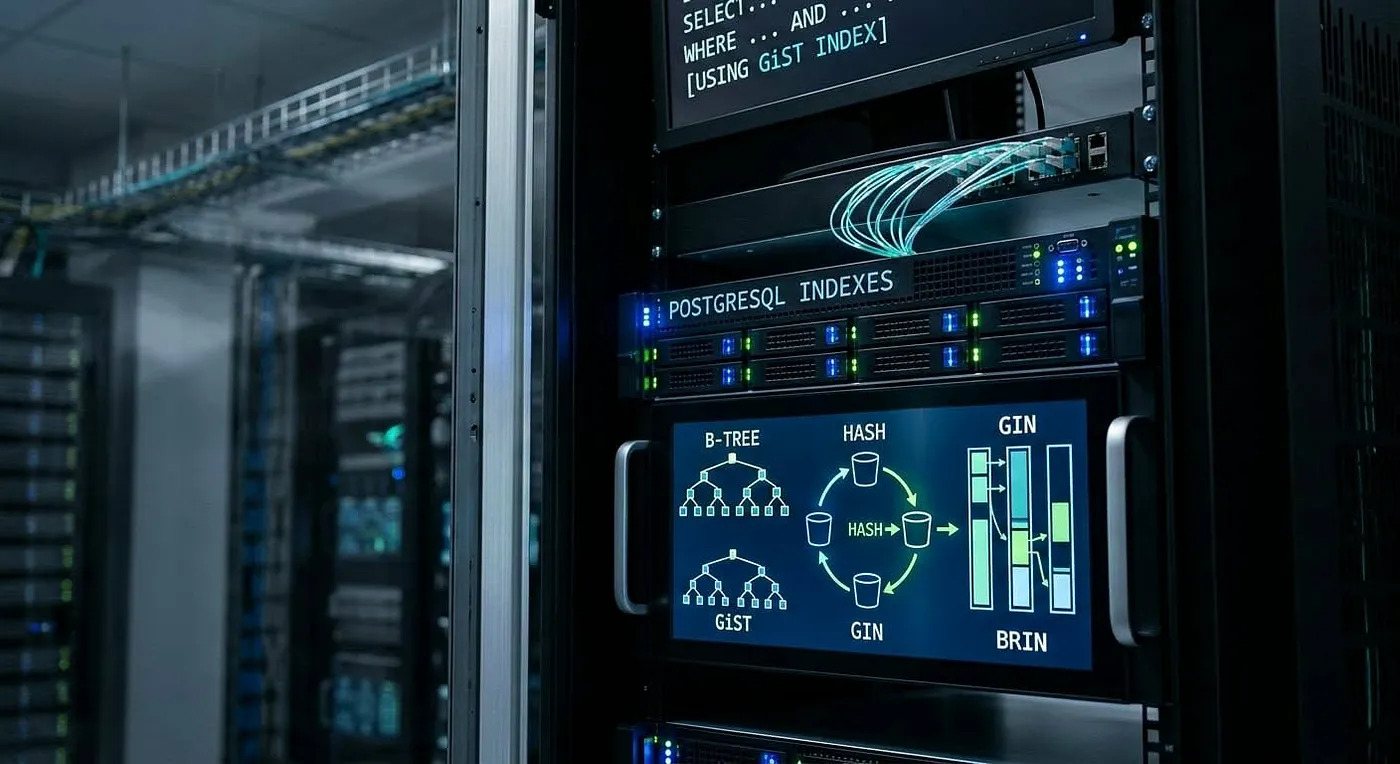
When a default B-Tree index isn't enough — a practical guide to GIN, GiST, BRIN, and partial indexes.

The difference between using AI as an autocomplete and using it as a thinking partner.
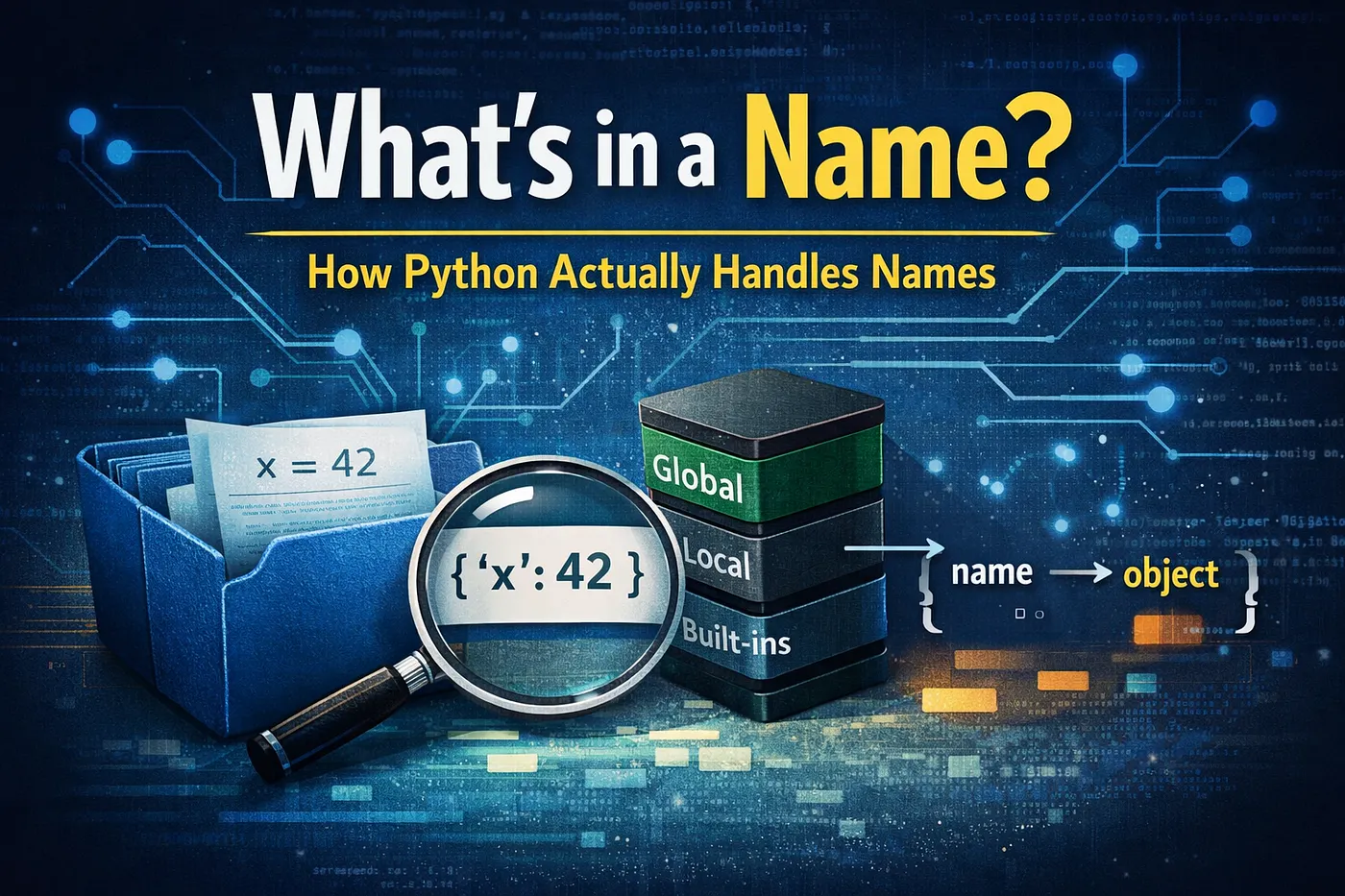
Naming isn't style — it's architecture. How Python's scoping and naming rules shape the programs you write.
Got a backend problem, an architecture question, or just want to talk scope?